More Than Just a Story: The Lasting Benefits of Reading With Kids
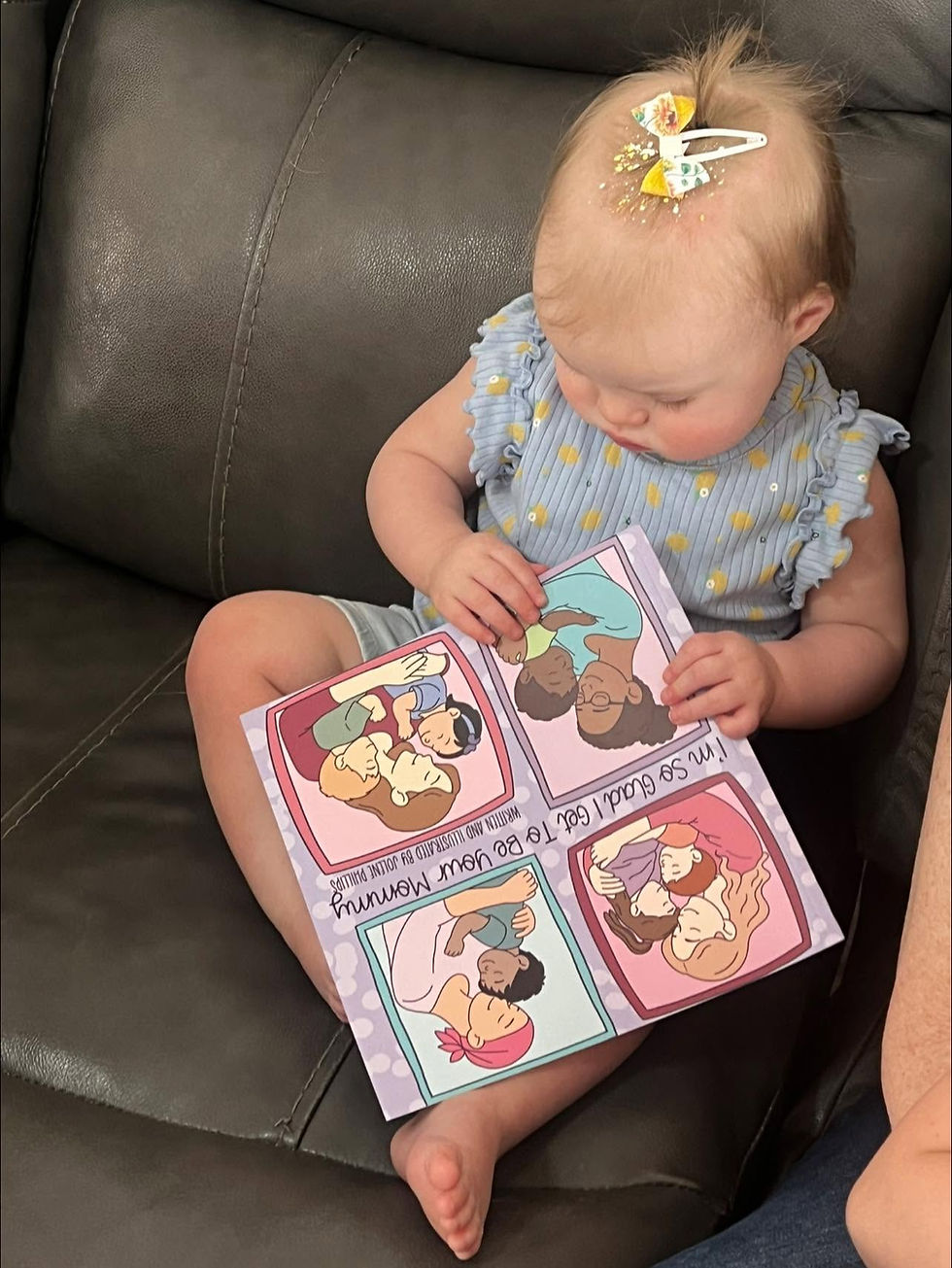
There is something undeniably magical about opening a book together. Maybe it’s your toddler climbing into your lap with the same favorite story for the hundredth time. Maybe it’s your school-aged child proudly reading a page before handing the book back to you. Or maybe it’s listening to a story together during a library or online storytime, sharing smiles and laughter along the way.
Reading with children is about so much more than learning letters and words. It’s about building connection, confidence, curiosity, and a lifelong love of learning.
I’ve read books to sleepy babies who were more interested in chewing on the corners than listening to the story.
I’ve read the same picture book so many times that I can probably recite it from memory.
I’ve listened to brand-new readers slowly sound out every word while cheering them on.
I’ve taken turns reading chapters with older kids, laughed through silly stories with my nieces and my nephew, and watched my younger cousins completely disappear into imaginary worlds.
And honestly? Every stage has been my favorite while I was in it.
Reading with kids has never felt like a chore to me. It’s always felt like an invitation into their world.
Reading Builds Relationships
If you ask me what I love most about reading with kids, it has very little to do with academics.
It’s the cuddles before bedtime.
The dramatic voices that somehow become expected for every character.
The giggles when something unexpected happens.
The questions that somehow take us from talking about dragons to discussing kindness, courage, or why someone made a difficult choice.
Books have an incredible way of starting conversations that might never happen otherwise.
When we sit down and read with a child, we’re giving them something many of them crave most: our undivided attention. For those few minutes, the laundry can wait. The notifications can wait. The dishes can wait.
Children learn that stories are safe places where they can laugh, ask questions, cuddle close, and simply enjoy being together. Those moments become memories they’ll carry long after they’ve forgotten exactly what the story was about.
It Grows Vocabulary Naturally
Books introduce children to words they may never hear in everyday conversation.
Whether you’re reading about dinosaurs, dragons, ocean adventures, or talking vegetables, every story expands their vocabulary in a fun and meaningful way.
The best part? Children learn these new words in context, making them easier to understand and remember.
Every Child Reads a Little Differently
One of my favorite things has been watching how each child approaches books.
Some want to hear the same story every single night.
Some flip straight to their favorite page.
Some interrupt every other sentence with a question.
Some want to study every illustration before turning the page.
Some are ready to read aloud themselves as soon as they know a few words.
Others would rather listen for a while before jumping in.
There isn’t one “right” way to enjoy a story together.
Taking Turns Reading Builds Confidence
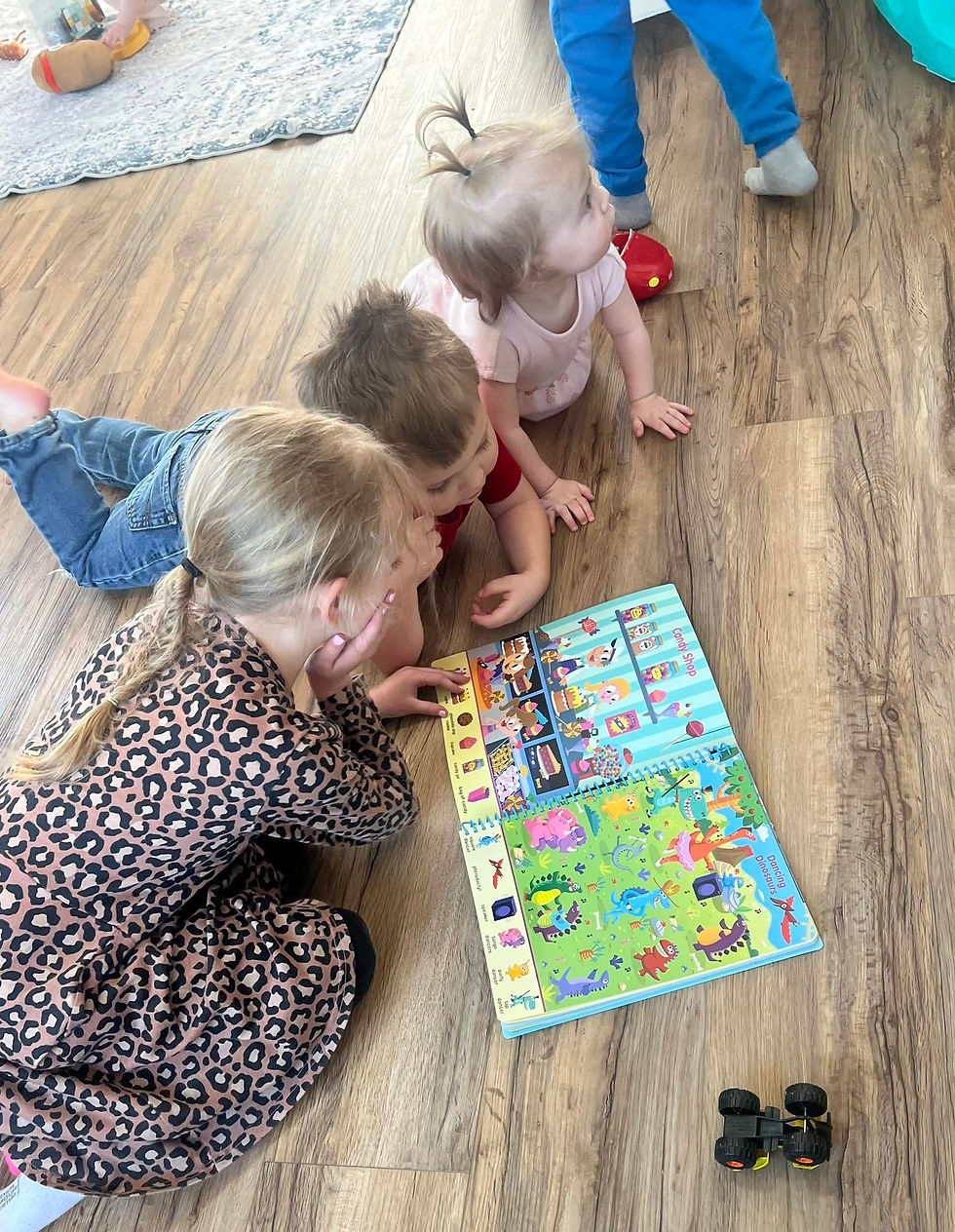
As kids get older and start reading independently, one of my favorite ways to keep reading together is by alternating pages. I’ll read one. They’ll read one.
Sometimes I’ll take the pages with bigger words. Sometimes they’ll surprise me by wanting to read even more than we planned.
It keeps reading from feeling like homework, and it still invites connection. This also allows children to hear fluent reading modeled before they practice themselves.
I think that’s one of the reasons kids build confidence so naturally by reading this way. They’re not doing it alone, and they know someone is right there beside them if they struggle with a word or how to comprehend something. And that connection and trust that you're building in those moments of reading goes way beyond that moment.
Storytimes Count Too
Reading together doesn’t always have to happen at bedtime. Books fit into car rides, rainy afternoons, waiting rooms, picnics, blanket forts, and lazy Saturday mornings.
Library story times, school read-alouds, classroom visits, author readings, or even virtual storytimes all provide wonderful opportunities for children to enjoy books.
Listening to someone else read helps children develop comprehension, listening skills, and imagination while showing them that stories can bring communities together.
Story time also removes some of the pressure from emerging readers. They can focus on listening, laughing, imagining, and falling in love with books.

Books Create Conversations
One of the greatest gifts of reading together is everything that happens after the last page.
Ask questions like:
Which character would you want to be friends with?
What would you have done differently?
What do you think happens next?
Which part made you laugh?
Did anything surprise you?
These conversations strengthen comprehension while helping children learn and practice empathy, problem-solving, and emotional awareness. Sometimes the discussion becomes even more meaningful than the story itself.
Reading Doesn’t Have to Be Perfect
When I think back over all the years of reading with my bonus son, my nieces, my nephew, my younger cousins, and now my own little ones, I don’t remember finishing every book.
What I do remember is the interruptions, the laughter, the requests for “just one more book”, the tiny hands turning pages, the way a child lights up when they recognize a word they’ve read before. Those are the moments that stick.
You don’t have to finish every book.
You don’t have to use funny voices.
You don’t have to read for an hour every night.
Reading the same favorite book for the fiftieth time counts.
Listening to an audiobook in the car counts.
Taking turns reading one page at a time counts.
Showing up consistently matters far more than doing it "perfectly."
A Love of Reading Starts With Joy
Children are far more likely to become lifelong readers when books feel enjoyable instead of required.
Let them choose silly books.
Read books that make everyone laugh.
Read books that spark questions.
Read books that help them understand big feelings.
Read books simply because they’re fun.
When reading becomes associated with warmth, connection, and joy, children begin to seek books on their own, and that’s a gift that lasts a lifetime.
The Story They Remember Most
I think sometimes we put so much pressure on ourselves to make sure our kids are reading at the “right” level or meeting the next milestone.
Those things have their place. But when we read together, we’re doing something even bigger. We’re building trust. We’re creating routines they’ll remember. We’re showing them that stories are safe places to explore emotions, ask questions, dream big, and spend time with people they love. We’re creating positive memories around books that can last a lifetime.
And maybe that’s the greatest gift reading gives us.
Not perfectly pronounced words or impressive reading levels, but connection.
Years from now, your child may not remember every plot twist or every character’s name.
But they’ll remember curling up beside someone who loved them.
They’ll remember laughing at the funny parts.
They’ll remember feeling safe.
And they’ll remember that books were places where they belonged.
So, grab a book, take turns reading, visit a storytime, and read one chapter or one page.
Because every story you share is helping write a beautiful chapter in your child’s own story.
So if you’re wondering whether reading one more bedtime story matters…it does.
If your toddler wants the same book for the hundredth time…read it.
If your beginning reader needs twenty minutes to make it through one page...celebrate every word.
If your older child wants to trade pages or chapters with you…say yes.
Because years from now, they probably won’t remember every single story.
But they’ll remember who was sitting beside them while they discovered the magic of reading.
What is one of your favorite reading memories with a child in your life?


Comments