How to Handle Public Meltdowns With Confidence and Compassion

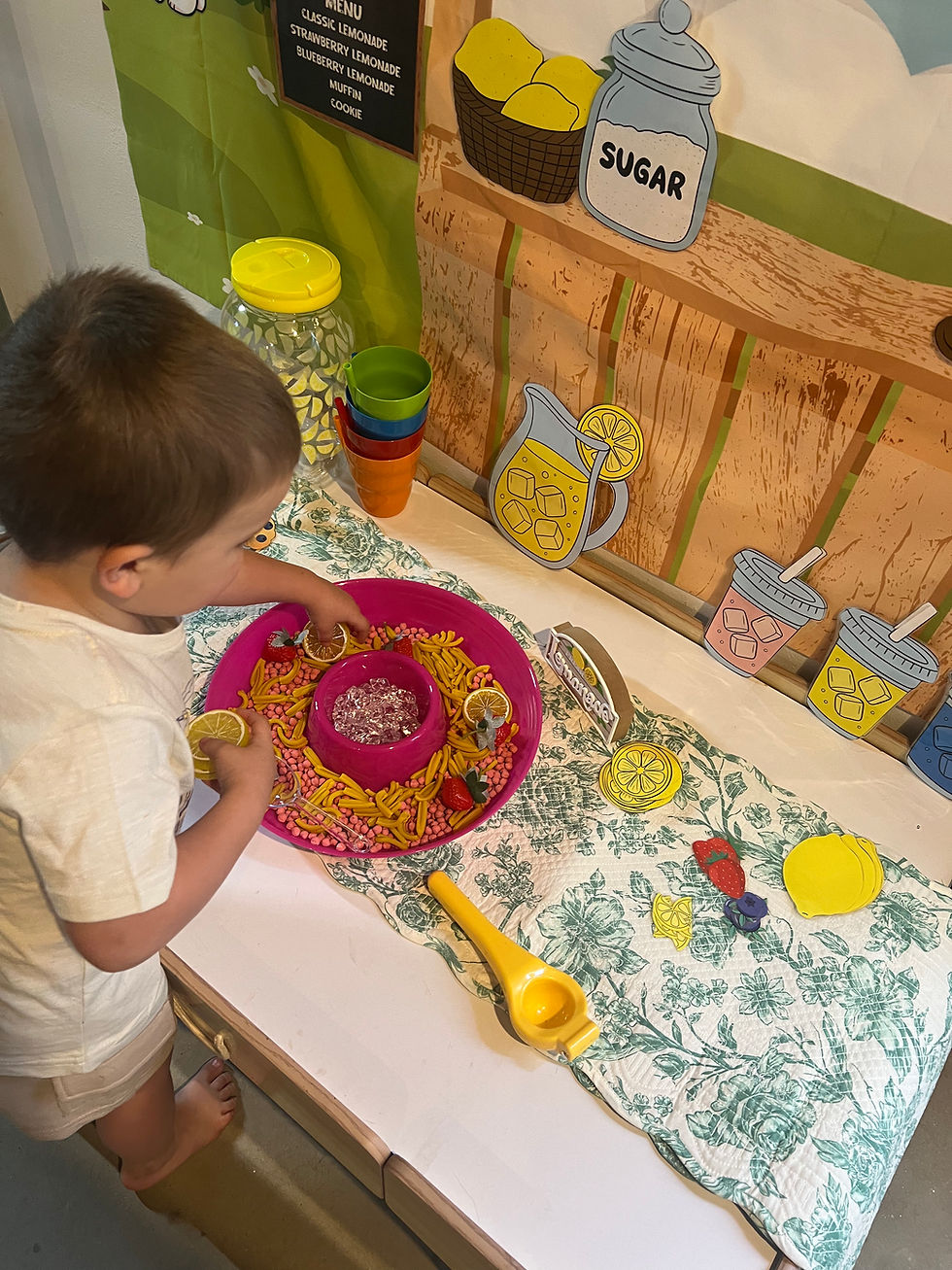
See that cutie pie in the picture? Yeah, he's adorable. But if I had tried to take away that toy to get him in the car, there would have been an absolute meltdown. "Is this the mountain I want to die on today?" I ask myself this question too many times a day. Some meltdowns and the things our kids are melting down over are just not worth the battle. Some are, so pick your battles wisely.
There’s nothing quite like the rush of panic that hits when your child starts to unravel in the middle of a grocery store, playground, or family gathering. Maybe it's loud. Maybe it's messy. Maybe all eyes seem to turn to you. Public meltdowns are a universal parenting challenge, and if you’ve ever felt overwhelmed or embarrassed during one, you’re not alone.
But what if we could meet those moments with calm confidence and compassion, for our child and ourselves?
This post offers a simple roadmap for doing just that.
Step 1: Regulate Yourself First
It sounds counterintuitive when your child is screaming, but the first thing to do is check in with yourself.
Ask:
Am I holding my breath?
Is my jaw clenched?
What emotion is rising in me right now: frustration, fear, or embarrassment?
You’re human. It's normal to have a reaction. But the key is to pause and ground yourself before responding.
Try this:
Inhale deeply through your nose for four counts, exhale slowly through your mouth for six.
Gently press your feet into the ground and tell yourself: I can handle this. My calm helps their calm.
Your nervous system sets the tone. Regulating your own stress response gives your child something steady to hold onto.
Real talk! I've been there. Where your child is screaming and you are so caught up in trying to calm them down that you don't realize just how overwhelmed you are. Those moments where you get through the meltdown and discover just how much tension is sitting in your shoulders, or how you've been holding your breath that whole time. Whoa, that was rough. You made it, but that was a lot. Even when we manage the meltdown perfectly, it's a lot. Give yourself grace. Parenting is no walk in the park, and if it is, it's Jurassic Park, where you walk around like you're on eggshells, hoping you don't step on a twig and alert the tiny velociraptor, thus setting them back off. Breathe through it!

Step 2: Help Your Child Co-Regulate
When a child is melting down, they’re not being “bad.” They’re overwhelmed. Their brain is in survival mode, and they need connection before correction.
Try calm, simple phrases:
“I’m right here with you.”
“That was hard, huh?”
“Let’s take some deep breaths together.”
If possible, remove them from the overstimulating environment, step outside, or find a quieter corner. If not, just create as much of a calm bubble as you can.
SEL-based tools that help:
Name it to tame it: Help them label the feeling. “It looks like you’re frustrated.”
Mirror and model: Show them what calm looks like through your tone, face, and gestures.
Offer a sensory tool: If you carry a stress ball, soft toy, or fidget, now’s the time to use it.
Remember: This isn’t about “fixing” the meltdown. It’s about helping your child feel safe enough to move through it.
My son's favorite way to co-regulate is a tight hug. He has learned, just as much as I have, that when he is melting down, a hug can make a difference. And, I need that hug just as much as he does. Oxytocin gets flowing for both of us, and our breathing syncs up, all with the power of a hug. Once he starts calming down, he will sit and take deep breaths with me, and I can validate his feelings. Sometimes, I have to capture him for the hug and hold him while he kicks and fights it. Eventually, he relaxes, and the screams turn to cries. Big feelings are hard for adults. They're even harder for kids who don't have the words to express what they're feeling. Kids, especially toddlers, are communicating in one of the ways that they can. When pointing, grunting, and their limited words don't get their requests or needs met, they resort to other ways of communicating. As hard as meltdowns are to manage, as your little one learns more words and finds better ways to communicate, they will have fewer meltdowns. You helping them through their meltdowns helps teach them to manage those big emotions. You're doing great!

Step 3: Be Kind to Yourself Afterward the Public Meltdown
Even if you handled everything “right,” it’s common to replay the scene afterward with guilt or shame. That inner critic can be harsh: Why couldn’t I prevent that? Did everyone think I’m a bad parent?
Pause.
You just showed up for your child during one of their hardest moments. That’s brave. That’s love. And that deserves your own compassion, too.
Self-kindness reminders:
Meltdowns are a normal part of child development.
Your calm presence mattered more than what anyone else thought.
You’re doing the best you can, and that’s more than enough.
You don’t need to be a perfect parent, just a present one. Parenting is no easy task. Celebrate the small victories, even if that victory is surviving a meltdown.

Final Thoughts
Public meltdowns are tough, but they’re also moments of deep learning, for your child and you. Each one is a chance to practice empathy, to build trust, and to model what emotional resilience looks like.
So the next time it happens, take a breath. You’ve got tools. You’ve got love. And you’ve got this.
But hey, if all else fails, get yourself a sticker to remind yourself how amazing of a parent you are, because this gig is hard! Kids get stickers when they do something good, why can't we?




Comments