Back-to-School Anxiety: Tips for Kids AND Moms

Ah, back-to-school season. The smell of sharpened pencils, the sound of lunchboxes snapping shut, and the silent scream of moms across the country as we try to remember which child hates peanut butter now. But for many families, this season doesn’t just mean fresh notebooks and chaotic Target runs. It brings anxiety, for the kids, and for the adults who are trying to pretend they’re “totally fine” while stress-eating granola bars in the car.
As both a mom and a counselor, I’ve seen the back-to-school season from all angles. I have worked with dozens of kids and families as the school year approaches, worked within schools at the start of the school year, and have walked my own bonus son through the weeks leading up to a new school year. So, let me walk you through some practical (and slightly sarcastic) ways to handle the back-to-school jitters, for your kids and yourself.
For the Kids: When the Night-Before Nerves Kick In
1. Normalize the Nerves
Let them know anxiety is not the enemy, it’s just the brain’s way of saying, “Hey! This is new and maybe scary!” Say things like:
“Feeling nervous before something new is normal. It means your brain is getting ready.”
Avoid saying:
“There’s nothing to worry about, now go to sleep.”(It will backfire. Ask me how I know.)
2. Create a Predictable Morning Plan
Routines are the emotional weighted blanket kids didn’t know they needed. Go over what the morning will look like, clothes, breakfast, and drop-off. Hey, the transition from summer break to the start of the school year throws off our day-to-day routine, too. So this is just as helpful for you as it is for them!
Hot Tip:
Let them pick a breakfast that excites them. Yes, even if it’s a frozen waffle with rainbow sprinkles. It's fine. It’s not a TED Talk, it’s Tuesday. At least through the first few anxious days, this can help. It gives your kids an element of control in all the change. We can worry about making sure they get enough protein, fruits, and veggies later.
3. Pack a Pocket Hug
A small note in their lunchbox, a squishy fidget, or even a rock from the backyard that “has magical courage powers.” It helps them feel connected to you when you’re not there to wipe their chin or whisper “you’ve got this.”
4. Be Calm...er Than You Actually Are
Kids mirror our nervous system. If you’re spiraling, they’ll spiral. So take a breath (or 12), fake it till you make it, and remember: crying in the car AFTER drop-off is perfectly acceptable. Therapeutic, even.
For the Moms: Because YOU’RE a Wreck Too, and That’s Okay
1. Acknowledge Your Anxiety
Are you obsessing over school supply lists, Googling “what if my child hates 2nd grade,” or irrationally worried they’ll forget how to use a glue stick? That’s anxiety talking.
You’re not alone. You’re not crazy. You’re just a caring parent with a very full brain.
2. Schedule a Little You Time
I’m not saying book a spa day, unless you can. Then absolutely do that. I’m saying reclaim 10-20 minutes after drop-off. Take a walk. Sit with your coffee. Scroll aimlessly without guilt. Let your brain recalibrate.
3. Don’t Compare Yourself to Instagram Moms
You know the one with the color-coded lunch prep, adorable “first day” sign, and children smiling like they just booked a Gap commercial?
They’re doing great. But so are you, with your semi-crushed granola bar, last year’s backpack, and a heart full of worry. You’re showing up. That matters more than the curated photo.
4. Trust the Process (and the Teacher)
Your child will grow in ways you won’t always see. They’ll stumble, adapt, thrive, and probably forget their water bottle every other day. It’s okay. That’s childhood.
You’re not failing because your kid isn’t bouncing with excitement. Transitions are hard. And growth often looks like chaos before it looks like confidence.
Final Thoughts from the Counselor Side
Back-to-school anxiety isn’t a flaw. It’s a signal. A sign that something matters. For kids, it’s the fear of the unknown. For moms, it’s the pressure of letting go just enough to let them grow.
If the anxiety lingers past the first few weeks, or if your child starts showing signs of school refusal, sleep issues, or extreme withdrawal, it’s okay to reach out to a school counselor or therapist. It doesn’t mean something is “wrong”, it means you’re tuned in.
And that? That makes you a phenomenal parent.
Sending courage, caffeine, and good vibes for the new school year. And hey, if no one’s told you today: You’re doing better than you think.

Items to Ease Back-to-School Anxiety
1. Pocket Fidgets or Worry Stones
Small, tactile items like:
Smooth worry stones with calming words etched in them
Great for pockets, backpacks, or lunchboxes. Movement can regulate the nervous system and prevent mental spirals. Just be aware that not all schools or classrooms will be okay with these being out during class. An effective fidget should help a child regulate while not creating a distraction for them or other students.
Be aware, many “fidgets” are toys, but companies have caught on to the “fidget” trend and market them as being helpful fidget tools.
2. “Pocket Hug” Notes or Tokens
Tiny notes or little heart-shaped wooden tokens with phrases like:
“You’ve got this” or “Mom loves you.”
3. Morning Routine Chart
A visual checklist for kids to track:
Get dressed
Brush teeth
Eat breakfast
Pack backpack
Put on shoes
Reduces morning stress and builds independence.
4. A Comfort Item in Their Backpack
A small, familiar item (e.g., mini stuffed animal, keychain from home) gives emotional security throughout the day. They will likely not be able to get this out throughout the day, but sometimes having it nearby soothes them.
5. Lunchbox Love Notes
Pre-made note pads or printable cards with affirmations and jokes. A sweet reminder they're not alone. See my free download below for a set that you can put in a lunchbox or that kids can hold in their pocket throughout the day. I made this download within a few minutes using Canva. There are pre-made templates if you search lunchbox notes and you can change what they say to work for you and your kids.
6. Grounding Techniques (Discreet & Effective) Tool: 5-4-3-2-1 Sensory Grounding
In your head, name:
5 things you can see
4 things you can feel
3 things you can hear
2 things you can smell
1 thing you can taste
Why it works: It brings your brain out of the "what ifs" and back into the here and now.
7. Calming Audio (With Permission or During Breaks) Tool
Pre-downloaded calming playlist
Guided breathing/meditation apps like Headspace, Calm, or Smiling Mind
(Check school rules on earbuds and device use)
8. Mini Journal or “Worry Dump” Notepad Tool
A small, private notebook or sticky pad to “dump” anxious thoughts without needing to talk.
Optional: tear it up after writing for additional emotional release
9. Breathing Tools (Silent & Invisible) Tool
Box Breathing: Inhale 4, hold 4, exhale 4, hold 4
Trace-your-finger breathing (trace finger along hand while breathing in/out)
Some teens prefer breath-focused rings, bracelets, or necklaces that help slow exhalation.
10. Visual Anchors Tool
A meaningful photo, quote, or doodle taped inside a binder or planner, something that brings a sense of comfort or strength.
Books to Help with Back-to-School Anxiety
These have been some of my favorite books or the ones I see recommended the most for different age groups to help with back-to-school anxiety.
For Kids (Ages 3–9)
1. “The Kissing Hand” by Audrey Penn
A classic story of Chester the raccoon and his mom’s love, perfect for separation anxiety.

2. “First Day Jitters” by Julie Danneberg
A silly twist where the teacher is nervous for the first day, great for showing that nerves are normal.

3. “The Invisible String” by Patricia Karst
A comforting book that teaches kids they’re always connected to loved ones, even when apart.

4. “Anxious Ninja” by Mary Nhin
From the Ninja Life Hacks series, teaches coping skills in a kid-friendly way.

5. “Wemberly Worried” by Kevin Henkes
Adorable and oh-so-relatable tale about a little mouse with big worries.

Books for Tweens (Ages 10–13)
1. “Middle School: The Worst Years of My Life” by James Patterson
Funny, fast-paced, and relatable for kids nervous about middle school, perfect for breaking the ice on school jitters.

2. “Just Roll with It” by Veronica Agarwal & Lee Durfey-Lavoie (Graphic Novel)
Tackles anxiety and OCD in a very gentle, age-appropriate way. Empowering and accessible.

3. “Real Friends” by Shannon Hale
Great for exploring friendship dynamics and feeling "different" in school.

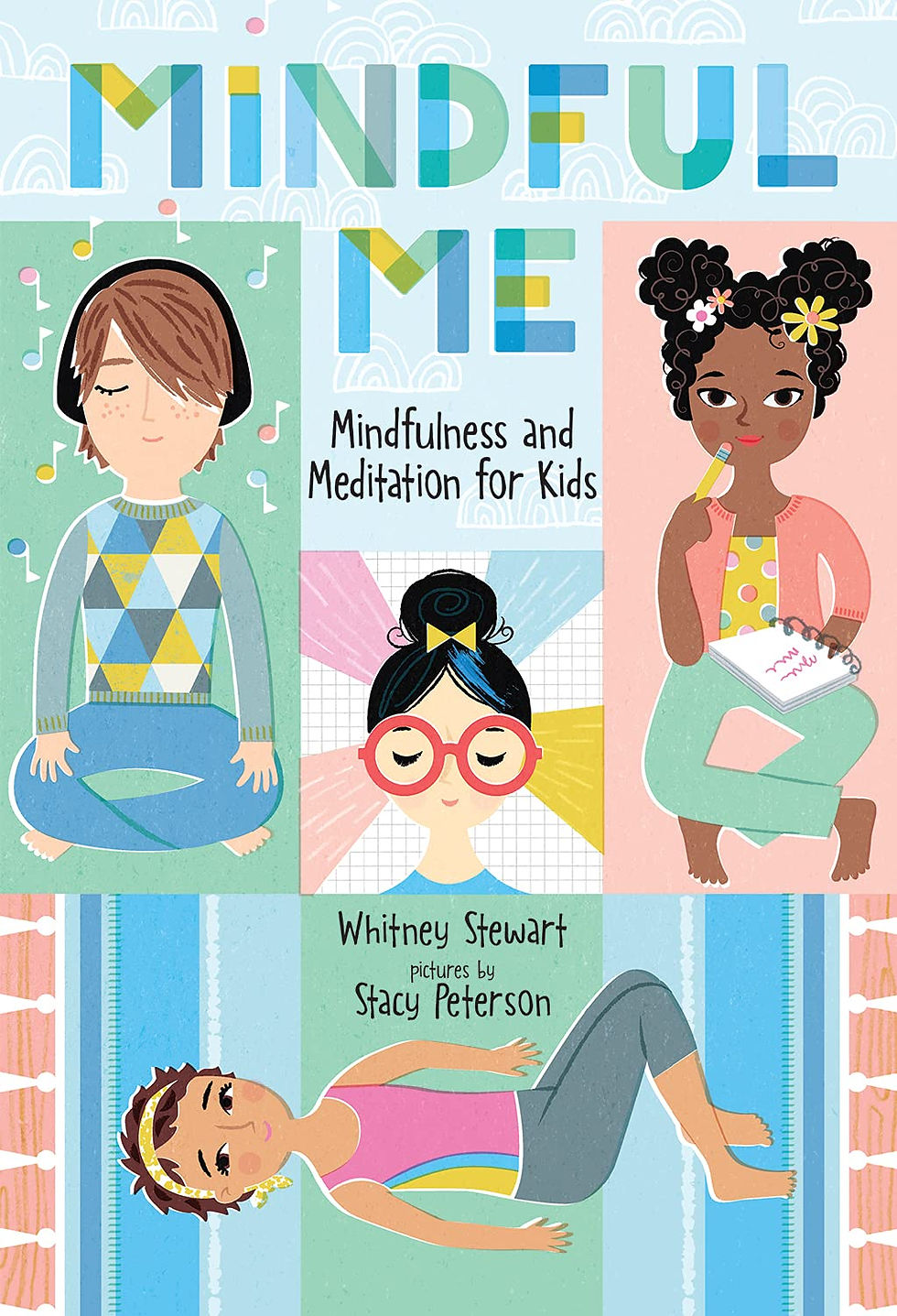
4. “Mindful Me: Mindfulness and Meditations for Kids” by Whitney Stewart
Short, simple mindfulness exercises for emotional regulation and focus; an excellent tool for school stress.
5. “The Confidence Code for Girls” by Katty Kay & Claire Shipman
Helps tween girls understand self-doubt and learn strategies to build confidence and resilience.

6. “The Boys' Guide to Growth Mindset: A Can-Do Approach to Building Confidence, Resilience, and Courage” by Oluwatosin Akindele
Helps tween boys build confidence while learning that making mistakes is a part of learning and growing.

Books for Teens (Ages 14–18)
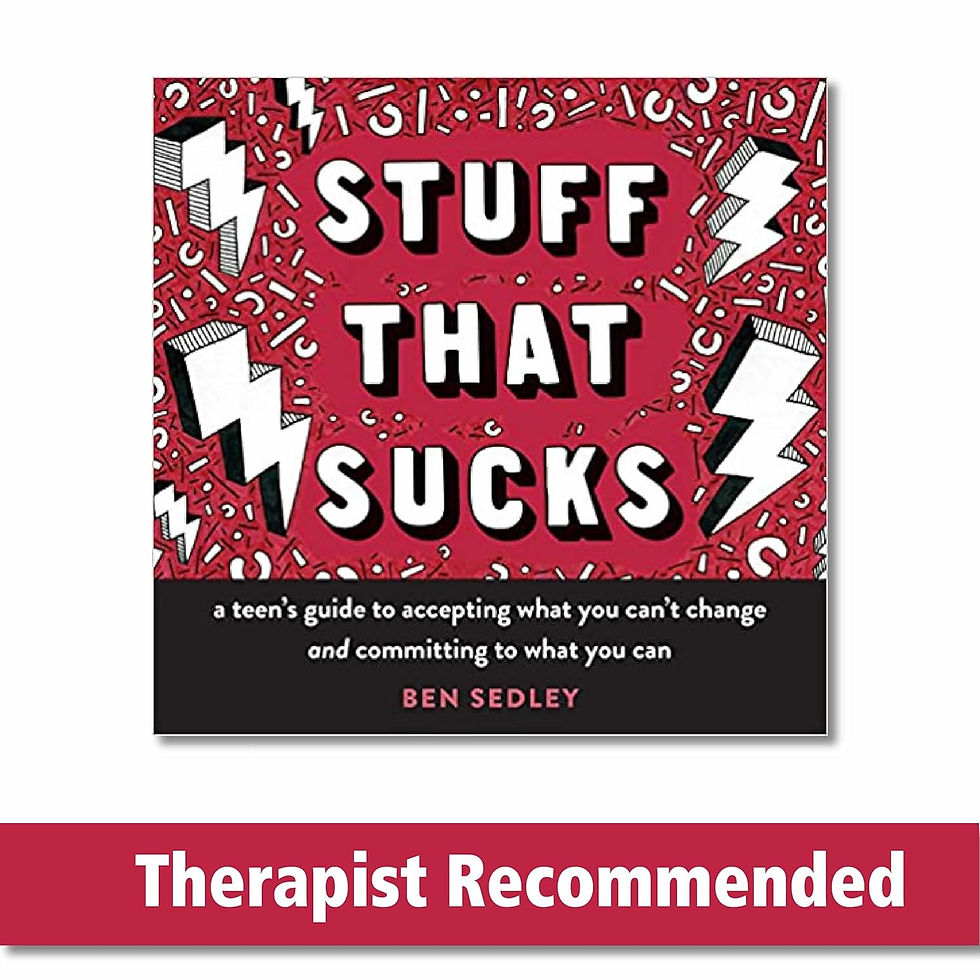
1. “Stuff That Sucks: A Teen’s Guide to Accepting What You Can’t Change” by Ben Sedley
A short, relatable introduction to Acceptance and Commitment Therapy (ACT) for teens struggling with anxiety, school pressure, or change.
2. “Be Mindful and Stress Less” by Gina Biegel
Evidence-based mindfulness practices specifically for high schoolers. Offers ways to manage academic and social anxiety.

3. “The 7 Habits of Highly Effective Teens” by Sean Covey
A classic! Goal-setting, time management, and values, all in teen-friendly language with real-life examples.

4. “Brave, Not Perfect (Young Readers Edition)” by Reshma Saujani
Great for perfectionist teens starting school with pressure to “get it all right.” Encourages risk-taking and imperfection.
For Parents
1. “The Whole-Brain Child” by Daniel J. Siegel & Tina Payne Bryson
Explains what’s going on in your child’s brain and offers tools to help them manage big emotions.

2. “Raising Good Humans” by Hunter Clarke-Fields, MSAE
Mindful parenting techniques to help you stay calm when your kid’s anxiety spikes.

3. “How to Talk So Kids Will Listen & Listen So Kids Will Talk” by Adele Faber & Elaine Mazlish
Communication tools that work wonders during emotional transitions.

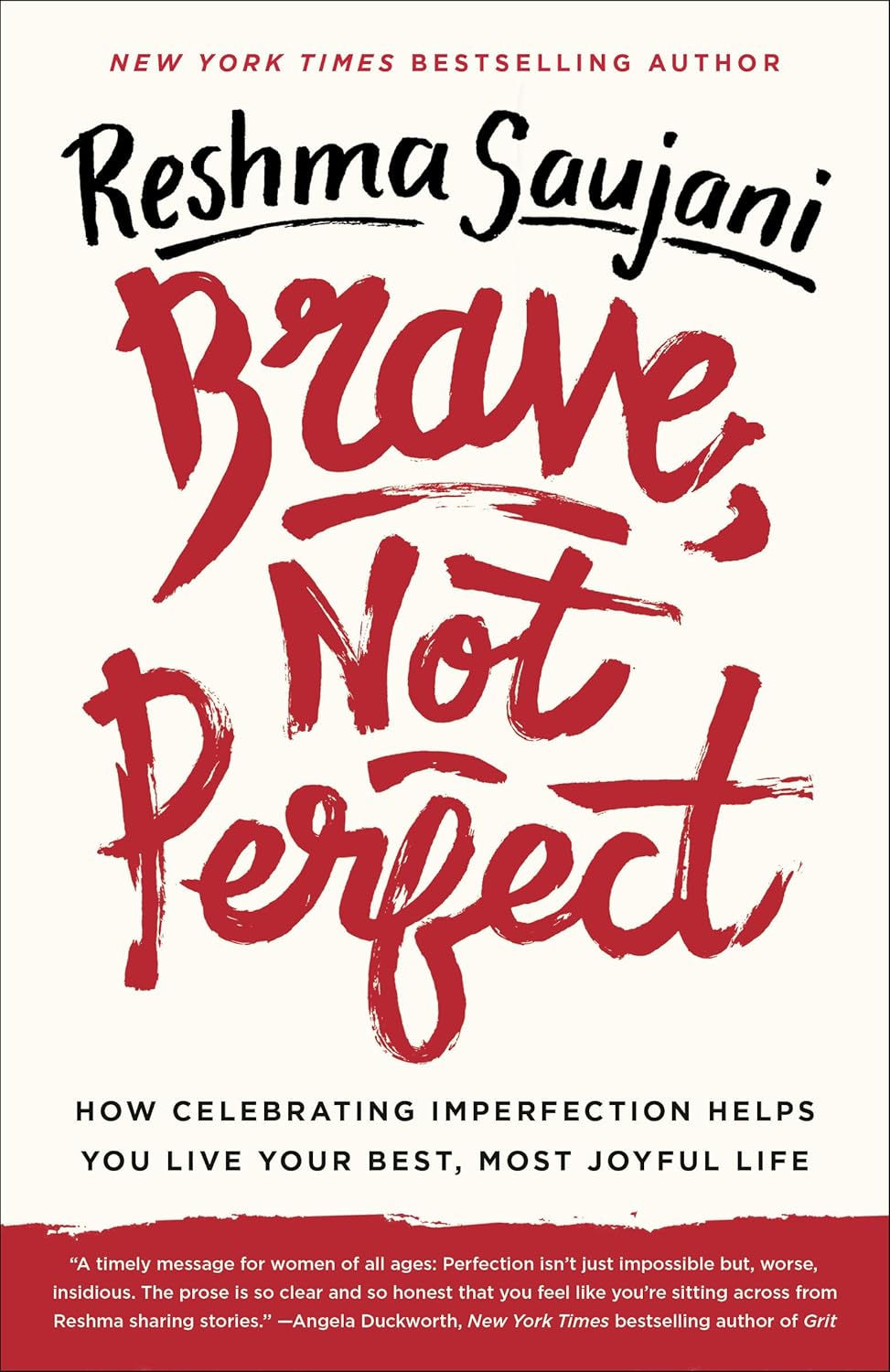
4. “Brave, Not Perfect” by Reshma Saujani
For moms navigating perfectionism, because back-to-school isn’t just hard for kids.

If you have a book that you or your kids have loved, share it in the comments! Another mom may find it helpful as well.


Comments